Fusaro’s Pizza & Pasta brings traditional Italian cuisine to the heart of Manahawkin, NJ, where family recipes and a cozy, trattoria-style atmosphere create an authentic dining experience. Step inside and you’ll find the warmth of an Italian kitchen; the aroma of simmering tomato sauce, the sight of golden-crusted pizzas emerging from the oven, and the sound of families sharing meals together.
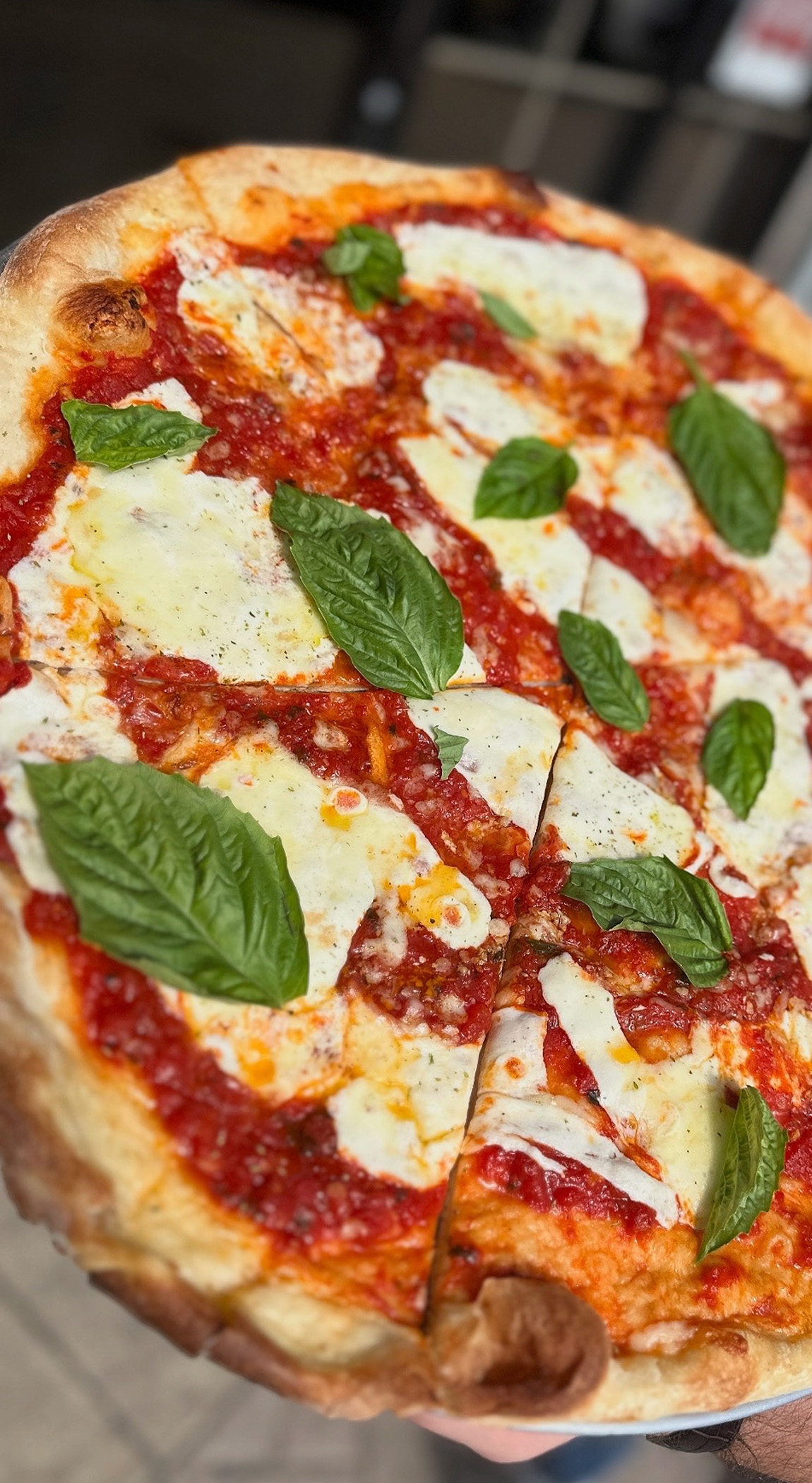
Our menu at Fusaro’s showcases iconic dishes that trace our roots back to Italy while honoring the Italian-American evolution that shaped New Jersey’s culinary landscape. You’ll find pizza Margherita made with fresh mozzarella and basil, chicken parmigiana with a perfectly crispy crust, layered lasagna bubbling with ricotta and meat sauce, and classic spaghetti with hand-formed meatballs. Each dish tells a story that stretches across the Atlantic.
Located in Manahawkin, Fusaro’s serves as a beloved neighborhood favorite for locals and a welcoming stop for Shore visitors seeking authentic Italian food after a day on the beach. The restaurant has become a gathering place where families celebrate, friends reconnect, and hungry diners discover why Italian cooking has captured hearts for centuries.
Roots of Traditional Italian Cuisine
Italian cuisine evolved over more than two millennia, from the banquet halls of ancient Rome to the regional trattorias that dot the Italian countryside today. Understanding these roots reveals why Italian cooking remains one of the world’s most beloved culinary traditions.
Mediterranean Foundation
The Mediterranean diet forms the bedrock of Italian cooking. Romans built their cuisine on wines, grains, and olive oil—ingredients that thrived in the fertile Italian soil. Everyday meals featured bread, cheese, fresh vegetables, and legumes, while olive oil served as both cooking fat and finishing ingredient.
The Greek Sicilian food writer Archestratus, writing around 400 BC, established a philosophy that still defines Italian cooking: use top-quality, seasonal ingredients and prepare them simply to let natural flavors shine. This approach meant fish was cooked to highlight its freshness rather than masked with heavy sauces.
Transformative Ingredients from the New World
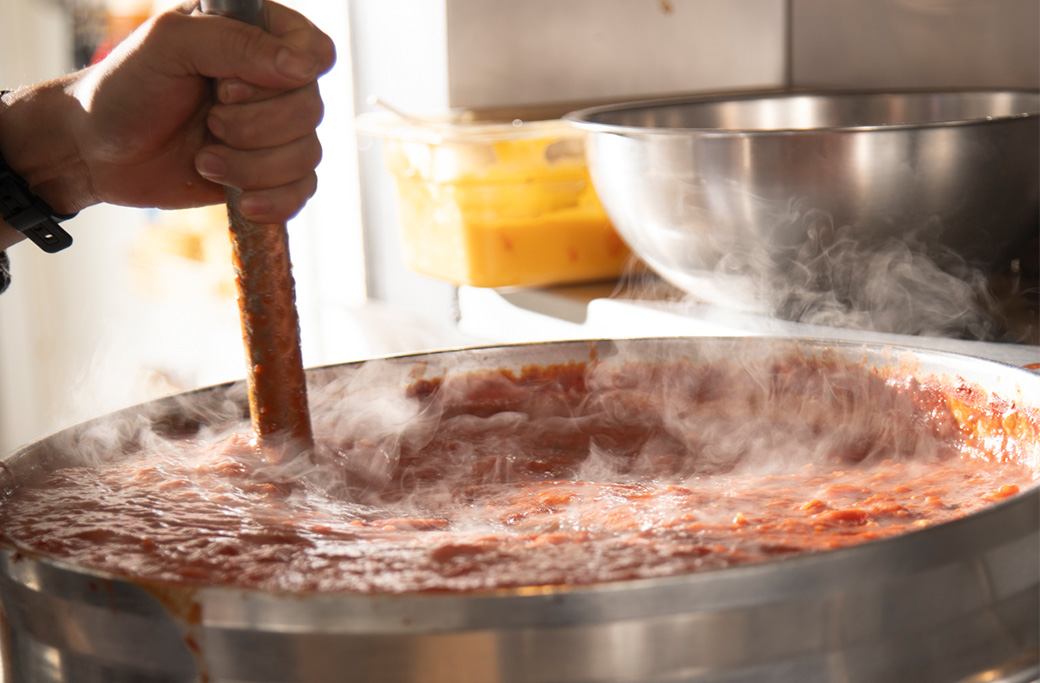
The 15th and 16th centuries brought revolutionary changes when Spanish traders introduced ingredients from the Americas. Ripe tomatoes arrived in Italy through Naples—eventually becoming the foundation of tomato sauce that defines so many Italian dishes today. Peppers, potatoes, zucchini, and beans followed, reshaping Italian cooking forever.
It didn’t take long for tomatoes to become essential to Italian identity. Today, varieties like San Marzano are prized for sauces, and it’s nearly impossible to imagine Italian cooking without them, even though they’ve only been part of the tradition for a few centuries.
Cucina Povera: Humble Origins, Beloved Classics
The concept of cucina povera—peasant cooking—explains how simple, humble recipes grew into the classics we celebrate today. Italian home cooks learned to transform stale bread into bread soup, stretch leftover bread into hearty dishes, and create satisfying meals from cannellini beans, fresh vegetables, and whatever the garden provided.
These resourceful traditions produced dishes that Italian restaurants like Fusaro’s now recreate for diners who appreciate comfort food with genuine heritage.
Core Elements of Traditional Italian Cooking
True Italian cuisine is defined more by technique and philosophy than by any single recipe. When you understand these principles, you begin to recognize them in every dish at Fusaro’s.
Philosophy of Simplicity
Italian cooking relies on a few fresh ingredients per dish, prepared simply to highlight natural flavors. Unlike cuisines that layer dozens of components, traditional Italian cooking might feature just four or five elements working in harmony.
This explains why a perfectly made pasta dish requires nothing more than quality pasta, extra virgin olive oil, garlic, and perhaps fresh basil leaves or pecorino romano. The magic happens in the technique and the quality of each component.
Essential Ingredients
Every Italian kitchen stocks certain staples that appear across regions and dishes:
-
- Extra virgin olive oil: Cooking medium and finishing drizzle
- Fresh tomatoes or San Marzano: Base for sauces and toppings
- Garlic and onions: Aromatic foundation for soffritto
- Fresh herbs (basil, oregano, rosemary): Flavor building and garnish
- Sea salt: Seasoning pasta water and dishes
- Black pepper: Essential finishing spice
At Fusaro’s, these same ingredients form the backbone of sauces, pizza toppings, and baked pastas prepared in-house daily.
Time-Honored Methods
Traditional Italian cooking embraces methods that can’t be rushed:
-
- Slow simmering sauces for hours until flavors meld
- Hand-stretching pizza dough for the right texture
- Building broths and ragù from scratch
- Allowing dough to rise naturally
These techniques separate authentic preparation from shortcuts, and explain why a plate of pasta at a dedicated Italian restaurant tastes different from quick imitations.
Pasta and Pizza
Starches form the backbone of many regional Italian meals. From the durum wheat flour used to make dried pasta to the soft wheat in fresh tagliatelle, Italians have perfected the art of transforming grain into something extraordinary.
Pasta Traditions
Italy recognizes over 350 pasta shapes, each designed to hold specific sauces. Simple preparations dominate:
-
-
- Spaghetti with garlic and olive oil (aglio e olio)
- Penne with fresh tomato sauce (pomodoro)
- Ear shaped pasta with broccoli rabe in the south
- Stuffed pasta like ravioli and tortellini in the north
-
Brick Oven Pizza
Classic brick oven pizza features a thin, crispy crust with a slightly charred, smoky flavor from the intense heat of the brick oven. Toppings are applied thoughtfully to balance flavors without overwhelming the dough. This traditional baking method imparts a distinctive texture and taste that inspires the pizzas at Fusaro’s.
Olive Oil, Herbs, and Cheese
Italian cooking achieves balance through the interplay of fat, aromatics, and dairy.
Extra Virgin Olive Oil
Extra virgin olive oil serves dual purposes: as a cooking medium for sautéing garlic and building sauces, and as a finishing ingredient drizzled over salads, pizzas, and pasta dishes. Quality oil adds fruity, peppery notes that elevate simple preparations.
Aromatic Herbs
Fresh herbs and aromatics build flavor in layers:
-
-
- Fresh basil for tomato sauces and caprese salad
- Oregano for pizza and marinara
- Rosemary for roasted meats
- Garlic as the universal foundation
-
These aromatic herbs appear throughout Fusaro’s menu, from the sauce on chicken parmigiana to the toppings on specialty pizzas.
Traditional Cheeses
Italian cheeses enhance rather than overpower:
-
-
- Mozzarella cheese: Pizza, baked pastas, fresh salads Fresh mozzarella
- Mozzarella di bufala: Caprese, Margherita pizza Parmesan cheese
- Parmigiano Reggiano:Finishing pasta, risotto, soups Pecorino Romano
- Cacio e pepe, amatriciana Ricotta: Stuffed shells, lasagna, cannoli
-
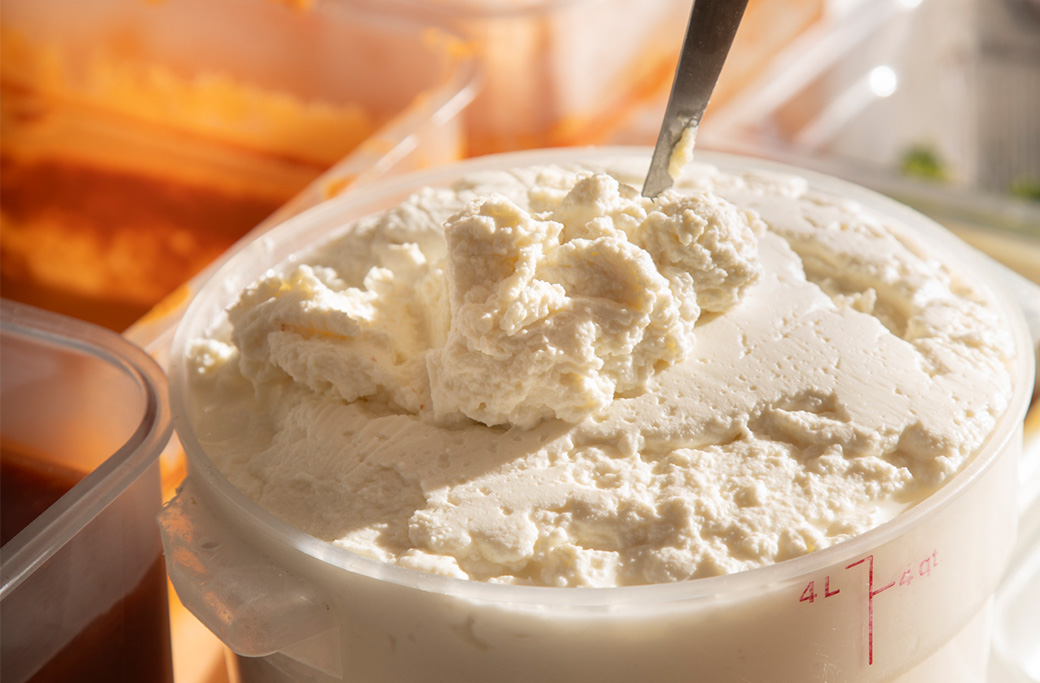
At Fusaro’s, you’ll find mozzarella blanketing pizzas, ricotta layered in stuffed shells, and rich parmesan grated tableside over pasta dishes.
Regional Italian Traditions and Our Signature Dishes
Italy functions as a patchwork of regional cuisines rather than a single culinary tradition. Many dishes on Fusaro’s menu trace back to a small town in the Phlegraean Fields outside of Naples.
Understanding these origins helps you appreciate why certain dishes pair specific ingredients and why they’ve become beloved across generations.
Naples and Campania: The Birthplace of Pizza
Naples holds a special place in Italian food culture as the birthplace of pizza. In the late 1800s, a Neapolitan pizzaiolo created pizza Margherita for Queen Margherita of Savoy, using tomatoes, mozzarella, and fresh basil to represent the colors of the Italian flag with red, white, and green.
Neapolitan techniques define what pizza should be:
-
- High-heat baking that cooks the crust in minutes
- A thin crust center with a puffy, charred Cornicione (edge)
- Simple toppings that don’t overwhelm the dough
- Fresh mozzarella or buffalo milk mozzarella for authentic flavor
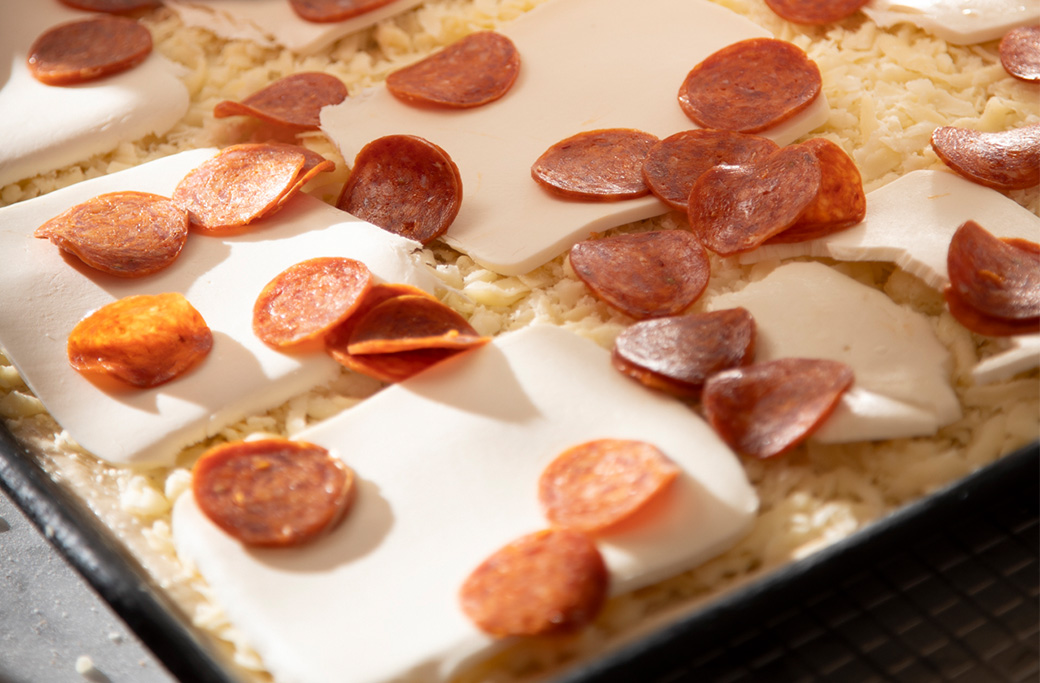
Fusaro’s pizza menu draws directly from this tradition. Classic Margherita, pepperoni pies, and white pizzas all reflect Naples’ influence, sized for families and groups gathering in Manahawkin.
Beyond pizza, Campanian influence appears in baked pasta al forno and in caprese salad with that perfect combination of sliced tomatoes, fresh mozzarella, basil, and balsamic vinegar that starts so many Italian meals.
Rome and Lazio: Simple, Bold Pastas
Roman cuisine builds intense flavors from minimal ingredients. The city’s pasta classics demonstrate that restraint can produce remarkable results.
Signature Roman Pastas:
-
-
- Cacio e pepe: Just pasta, pecorino romano, and black pepper, emulsified into a silky, peppery sauce
- Carbonara: Guanciale (cured pork cheek), eggs, pecorino, and pepper—no cream
- Amatriciana: Tomatoes, guanciale, pecorino, and chili flakes
-
These dishes embody Roman cooking: rich, peppery, and deeply satisfying despite—or because of—their simplicity.
At Fusaro’s, simpler pasta options like spaghetti with garlic and oil or creamy Alfredo-style sauces speak to the same love of comforting, straightforward recipes. The Italian version of cream sauce differs from American interpretations, but both honor the principle that pasta should comfort and satisfy.
Sicily and the South: Sun, Sea, and Strong Flavors
Sicily sits at a crossroads of Mediterranean cultures, and Sicilian food reflects influences from Arabs, Greeks, Normans, and Spanish colonizers. The island’s cuisine embraces bold contrasts and vibrant ingredients.
Sicilian Flavor Profiles:
-
-
- Sweet-sour preparations like caponata (eggplant with vinegar and sugar)
- Capers, olives, and citrus as accent ingredients
- Abundant seafood from surrounding waters
- Bright, sun-ripened vegetables
-
Traditional Italian Meal Structure
Traditional Italian meals follow a multi-course progression that transforms eating into an event. While American dining often condenses these courses, understanding the structure reveals the intentionality behind Italian dining.
Classic Italian Course Progression
-
- Appetizers (Antipasto): Cured meats, cheeses, bruschetta
- First Course (Primo): Pasta, risotto, or soup
- Second Course (Secondo): Meat dish or fish
- Side Dish (Contorno): Vegetables, salads
- Dessert (Dolce): Sweets, pastries
- Coffee (Caffè): Espresso or cappuccino
At Fusaro’s, guests often mix and match: sharing appetizers like garlic knots or fried calamari, then moving straight to pizza or a hearty pasta as the main course. This approach reflects how Italian meals translate to American dining. The spirit of communal eating remains even when formal courses combine.
Family-style dining, where large pizzas and platters of pasta sit in the center of the table for sharing, directly reflects Italian communal eating traditions. It’s how Italian meals were meant to be enjoyed: together, with plenty for everyone.
Recreating a Full Italian Meal at Fusaro’s:
Locals in Manahawkin can easily build a complete traditional experience:
-
-
- Start with bruschetta or fried calamari
- Share a classic pizza or order individual pasta dishes
- Finish with cannoli or tiramisu
- Enjoy coffee
-
Antipasti and Starters
Antipasti—literally “before the meal”—are small bites designed to open the appetite without filling you up. Traditional antipasti platters feature cured ham like prosciutto, aged cheeses, marinated vegetables, and grilled or roasted preparations.
Popular Antipasti at Fusaro’s:
-
-
- Garlic bread brushed with olive oil
- Bruschetta topped with fresh tomatoes
- Fried mozzarella with marinara
- Crispy calamari with lemon
-
Picture colorful plates arriving at your table: golden-fried cheese stretching as you pull it apart, fragrant herbs scattered over bruschetta, and that first bite that signals a good meal ahead. These shared plates set the tone for everything that follows.
Primi and Secondi: Pasta, Pizza, and Main Dishes
In traditional structure, primi (first courses) feature pasta, risotto alla milanese, or soup, while secondi bring the meat dish or fish. A creamy rice dish like risotto typically served alla milanese showcases saffron’s delicate flavor and demonstrates northern italy’s preference for rice over pasta.
American Italian dining often combines these courses. At Fusaro’s, pizzas and generous pasta portions function as main courses:
-
-
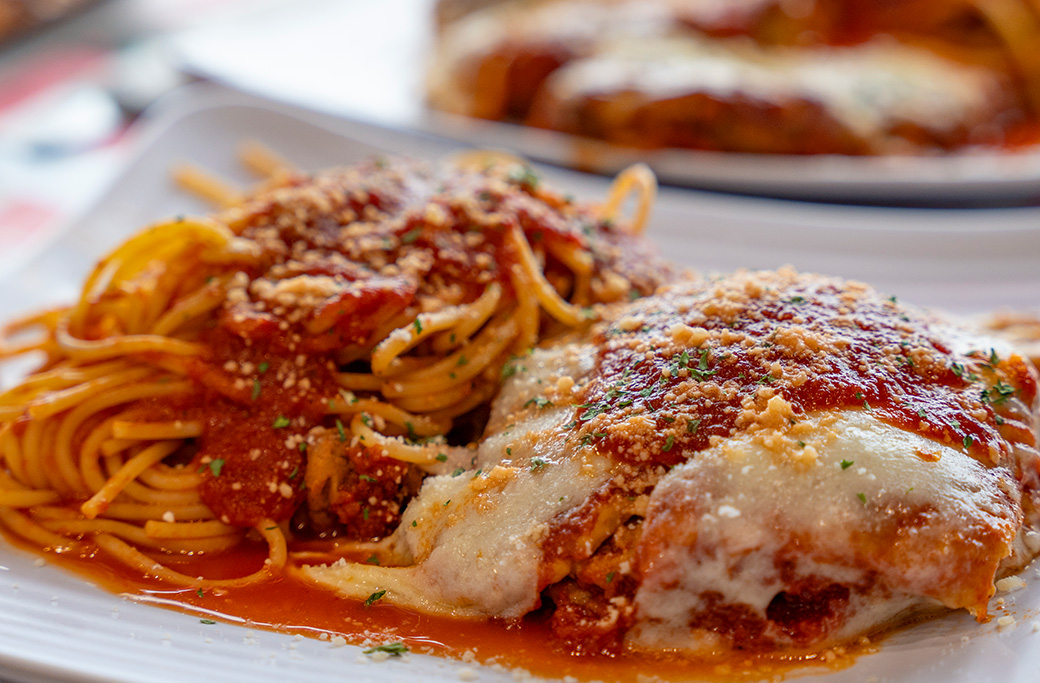
- Chicken Parmigiana: Breaded cutlet, tomato sauce, melted mozzarella, served with pasta
- Eggplant rollatini: Stuffed with ricotta, baked in sauce
- Baked ziti: Tube shaped shell filled layers with rich sauce and cheese
-
A guest might choose a classic pasta dish for a comforting evening meal or order a specialty pizza to share after a day at the beach. Either way, the portions echo Italian home cooking—generous, satisfying, meant to be enjoyed slowly.
Dolci and Coffee
Italian desserts provide sweet bread notes and rich indulgence to close a meal. The tradition of dolci ranges from simple fruit to elaborate pastries.
Classic Italian Desserts:
-
-
- Tiramisu: Layers of espresso-soaked ladyfingers, mascarpone cheese, and cocoa
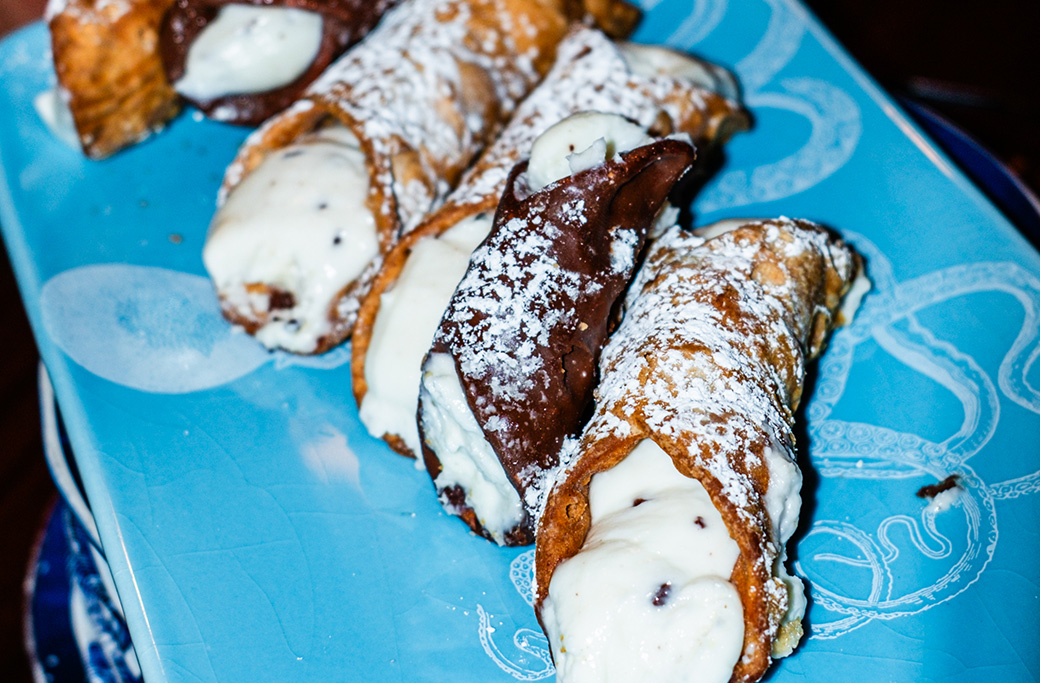
- Cannoli: Crisp pastry shells with sweet, creamy filling made from ricotta
- Gelato: Italian ice cream with intense flavor and dense texture
- Panettone: Sweet bread studded with candied fruit, popular during holidays
-
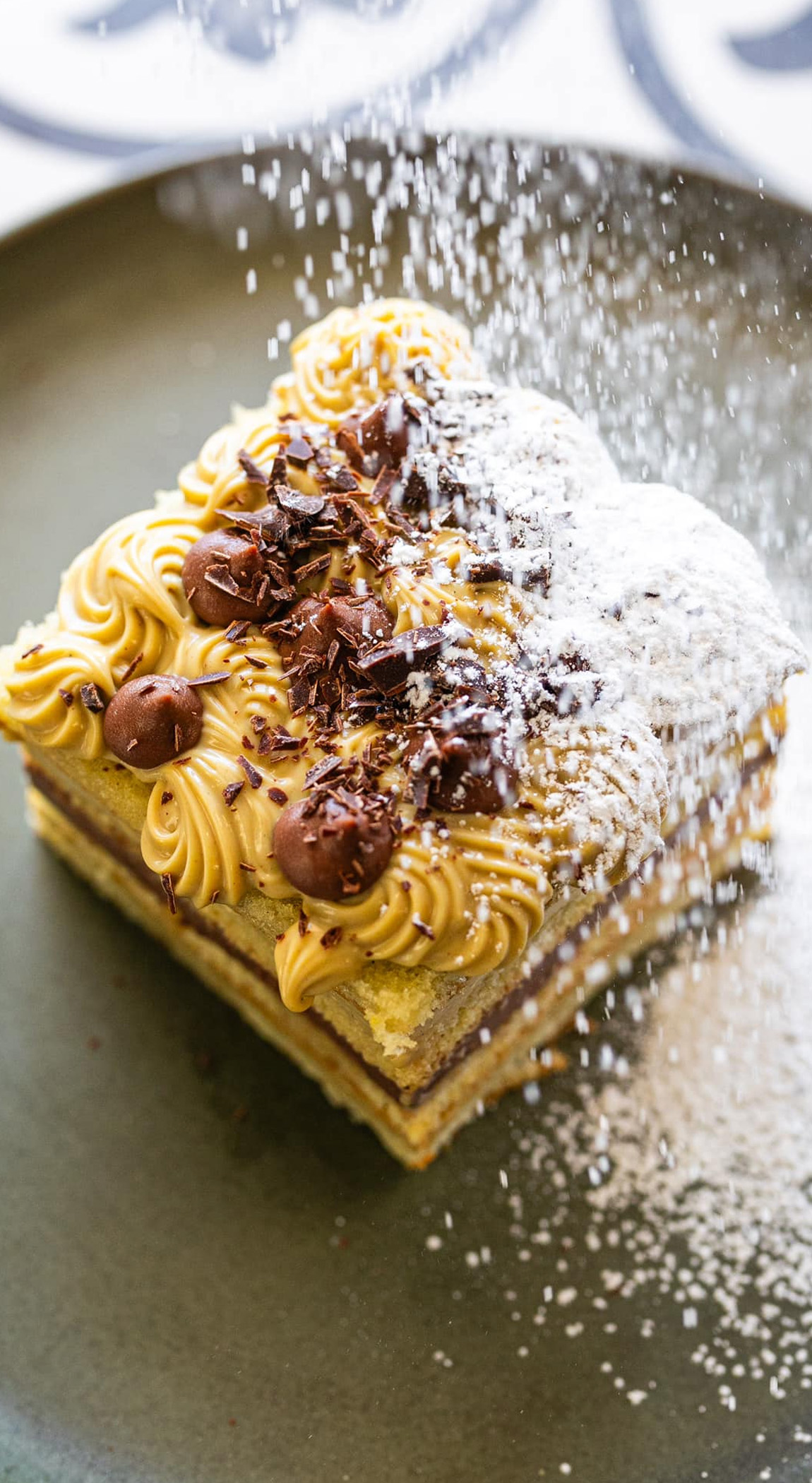
Fusaro’s dessert offerings—like house cannoli or tiramisu—bring these traditions to Manahawkin. The tube-shaped shells crack as you bite through to the sweet ricotta center. The mascarpone layers in tiramisu melt on your tongue.
Espresso and cappuccino serve as classic Italian after-dinner drinks. The breakfast drink version of cappuccino—with steamed milk creating foam art—differs from the evening espresso Italians prefer after dinner. A popular dessert paired with coffee creates the perfect ending.
Italian-American Classics at Fusaro’s Pizza & Pasta
Italian immigrants arriving in America during the late 1800s and early 1900s didn’t simply replicate the dishes of their homeland. They adapted, using more abundant American ingredients, especially meat, to create a distinct but related cuisine.
Today, dishes like spaghetti and meatballs, chicken parmesan, and baked ziti are “traditional” in their own right for New Jersey families. Fusaro’s proudly serves these Italian-American dishes alongside Old World classics, recognizing that both deserve celebration.
Spaghetti and Meatballs, Baked Ziti, and Lasagna
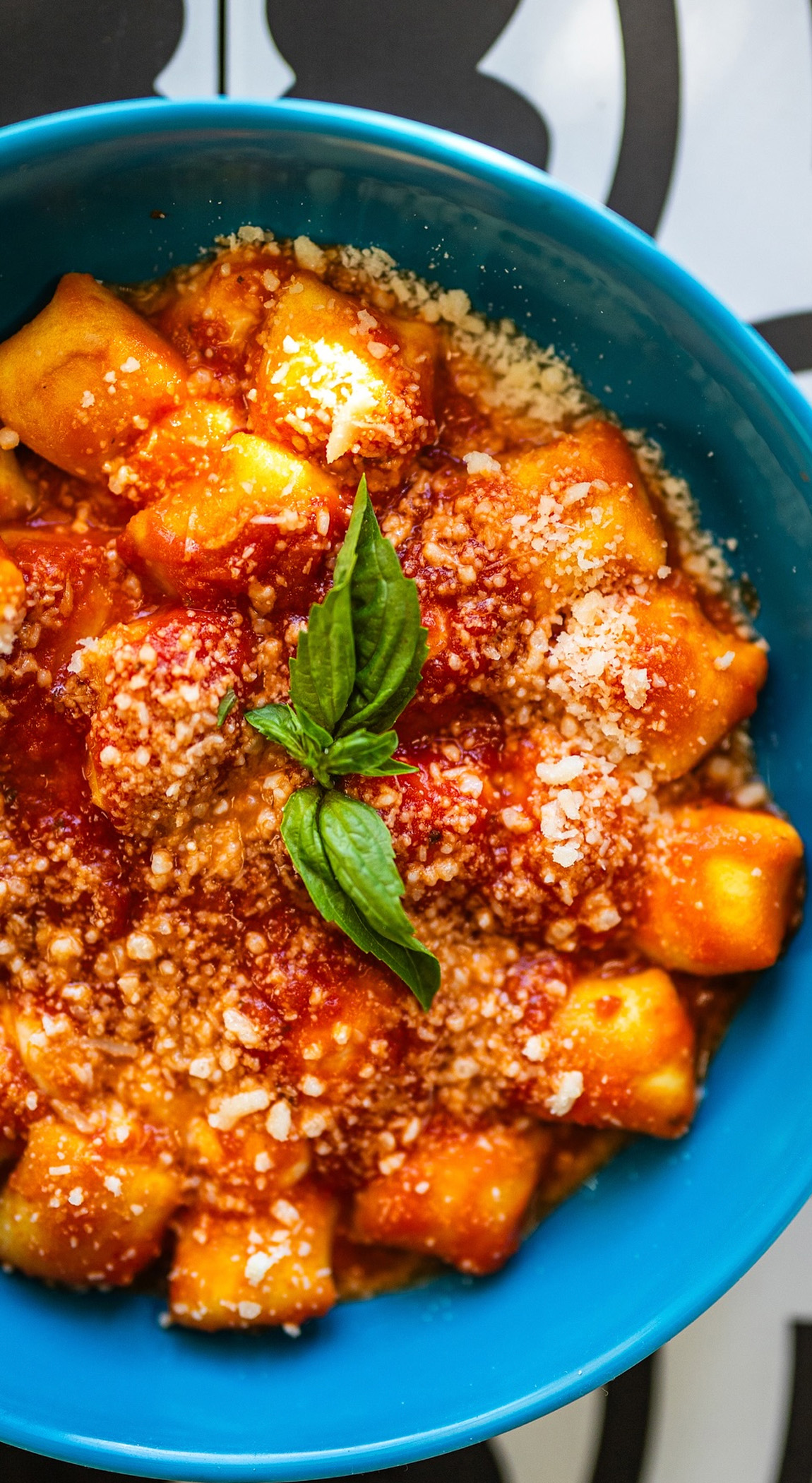
Spaghetti and meatballs emerged from Italian immigrant creativity. In Italy, meatballs (polpette) were typically served alone as a secondo. In America, where meat was more affordable, immigrant families combined them with pasta for a hearty dish that became iconic.
Fusaro’s Approach:
-
-
- Hand-formed meatballs seasoned with herbs and parmesan
- Slow-cooked red sauce building flavor over hours
- Al-dente spaghetti that holds the sauce
- Generous portions meant for sharing
-
Baked ziti and lasagna represent oven-baked pasta casseroles layered with tomato sauce, ricotta, and mozzarella. These traditional Italian foods translate perfectly to takeout trays and family gatherings, which is why they’re staples for shore house parties and Manahawkin celebrations.
If you’re feeding a crowd, ask about Fusaro’s catering options for large-party pans that feed the whole family.
Chicken Parmesan and Other Cutlet Dishes
Chicken parmesan traces its ancestry to eggplant parmigiana from southern Italy. When Italian immigrants found chicken more affordable and accessible in America, they adapted the preparation—breading cutlets, frying them golden, and topping with sauce and melted cheese.
What Makes Fusaro’s Chicken Parm Special:
-
-
- Breaded chicken cutlets fried until golden
- Homemade tomato sauce ladled over top
- Melted mozzarella and parmesan cheese
- Served with a side of pasta
-
The golden crust shatters slightly under your fork. Stretchy cheese pulls as you cut through. The portion size satisfies—this is comfort food without apology.
Variations like eggplant parmigiana honor the original italian dish, while preparations like chicken francese (in lemon-butter sauce) or piccata show how Italian-American cooking continues to evolve.
Pizza by the Pie and by the Slice
New Jersey’s love affair with pizza runs deep, and the tradition grew directly from Neapolitan roots. Italian immigrants opened pizzerias across the state, adapting the thin crust pizza of Naples into the regional styles that define Jersey pizza culture today.
Fusaro’s offers classic round pies and specialty combinations that bring families to Manahawkin for weekly pizza nights.
Popular Options:
-
-
- Classic cheese pizza with mozzarella and tomato sauce
- Pepperoni with bell peppers and onions
- White pizzas with ricotta and garlic
- Meat-lovers’ combinations with sausage and pepperoni
- Veggie options with fresh vegetables
-
Picture the scene: families picking up Friday night pizza, beachgoers grabbing slices after a day in the sun, and locals treating Fusaro’s as their go-to neighborhood shop. This is how pizza was meant to be enjoyed—casually, communally, and often.
Traditional Italian Cuisine in Manahawkin, NJ
Traditional Italian culinary values—fresh ingredients, simple recipes, and shared meals—live on at Fusaro’s Pizza & Pasta. Our restaurant serves as a local hub in Manahawkin where residents and Shore visitors alike experience authentic Italian cuisine and Italian-American comfort food prepared with care.
The journey from the Phlegraean Fields outside of Naples to a Manahawkin pizzeria spans millennia, but the core principles remain unchanged. Quality ingredients matter. Simple preparation honors those ingredients. And food tastes best when shared with people you care about.
Whether you’re a longtime local or visiting the Jersey Shore for the weekend, Fusaro’s offers a taste of Italy close to home. Stop by, pull up a chair, and discover why traditional Italian cuisine has captured hearts for centuries; one perfect bite at a time.