If you live in Manahawkin, you know that pizza is more than just a quick dinner option. It’s a staple of local life. Although, have you ever wondered why a slice from one shop tastes entirely different from another, even if they use similar toppings? The secret often isn’t just in the sauce or the cheese; it’s in the oven.
At Fusaro’s Pizza & Pasta, our reputation is built on a foundation of authentic Italian tradition. With roots stretching back to the town of Fusaro outside of Naples, Italy, we understand that the vessel you cook the pizza in is just as important as the ingredients you put on top. While standard ovens can produce a decent meal, they simply cannot replicate the texture, flavor, and experience of a true brick oven pie.
Here is why the cooking method matters and how our brick oven elevates every slice we serve.
What Is a Brick Oven?
A brick oven is exactly what it sounds like—a cooking chamber constructed from brick, stone, or concrete that is designed to retain and radiate immense amounts of heat. These ovens are the heartbeat of traditional Italian pizza making.
Unlike a standard kitchen oven that relies on circulating hot air, a brick oven cooks using stored heat. The internal temperature of a brick oven typically ranges between 800°F and 900°F. This intense environment is fundamental. When a pizza enters this inferno, it cooks rapidly, usually in just a few minutes. This high-heat, fast-cooking method is consistent with centuries of pizza-making history in Naples, where the goal is to char the crust slightly while keeping the inside soft and airy.
How Traditional Ovens Work
To understand the difference, we have to look at the alternative. Most commercial chain pizzerias and home kitchens use standard gas or electric deck ovens.
These ovens generally operate at much lower temperatures, usually between 500°F and 600°F. Because the heat is lower, the pizza requires a longer bake time—often 10 to 15 minutes. While this method offers consistency and is easier to manage, it changes the nature of the pizza. The slower bake tends to dry out the crust and toppings, resulting in a more uniform, biscuit-like texture rather than the dynamic contrast of textures found in artisan pizza.
Brick Oven vs. Traditional Oven: Key Differences
When you compare the two side-by-side, the differences become obvious in four key areas.
Cooking Temperature
The most significant difference is the heat source. A brick oven utilizes intense, radiant heat that comes from the floor and the dome of the oven simultaneously. A traditional oven relies on moderate, steady heat that cooks the pizza slowly from the outside in.
Cooking Time
Speed is a flavor factor. In our brick ovens, a pizza can cook in 90 to 120 seconds depending on the thickness. A traditional oven takes several minutes. This speed prevents the ingredients from stewing and losing their freshness.
Crust Texture
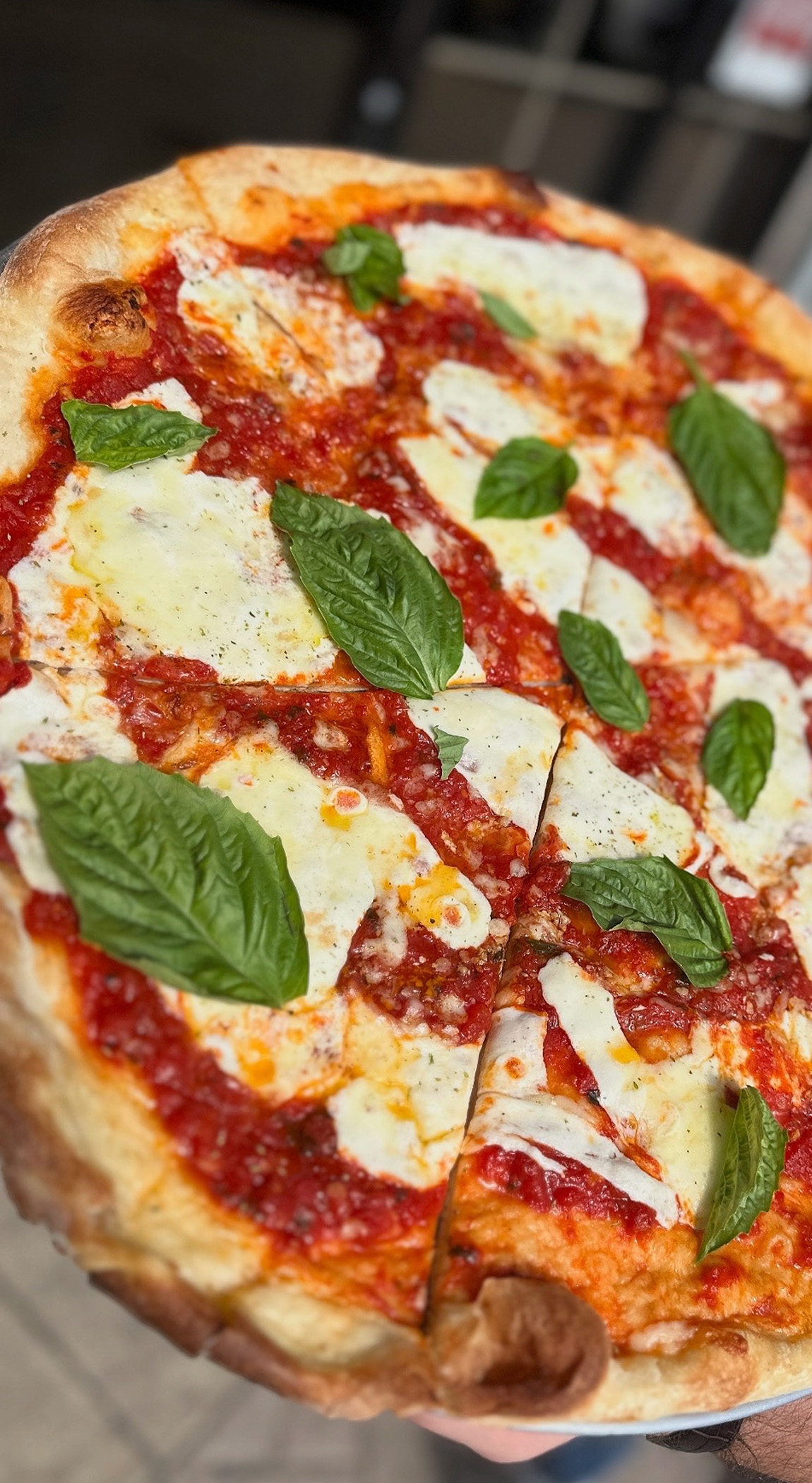
This is where the magic happens. Because the floor of a brick oven is scorching hot, the dough puffs up immediately upon contact. This creates a crust with a crispy, charred exterior and a light, airy interior. Traditional ovens often produce a denser crust that lacks that signature “puff.”
Flavor Development
The high heat of a brick oven creates “leoparding”—those small, charred spots on the crust that add a smoky, savory depth to the flavor profile. Traditional ovens generally bake the pizza evenly without achieving this caramelization, resulting in a flatter flavor profile.
Why Brick Ovens Create Better Pizza
There is a science to why brick oven pizza tastes better. It all comes down to moisture retention and caramelization.
Due to the high heat, the outer layer of the crust seals almost instantly. This locks the moisture inside the dough, keeping it soft and chewy while the outside becomes satisfyingly crisp. This contrast is the hallmark of a high-quality pie.
Furthermore, the toppings cook differently. The cheese melts rapidly without separating into oil, and vegetables retain a slight crunch rather than becoming soggy. The sauce heats up quickly, caramelizing the natural sugars in the tomatoes for a sweeter, brighter taste. It captures the authentic characteristics that pizza lovers crave.
Fusaro’s Difference: Quality Meets Tradition
At Fusaro’s, we don’t just use a brick oven; we have mastered the art of working with it. Our commitment to quality starts long before the oven is lit.
Our history is deeply personal. My father opened Naples Pizzeria in Barnegat over 35 years ago after bringing his passion for food from Italy to the United States. I grew up in this business, learning that you cannot rush quality.
That is why we use specific, high-quality flour blends for our dough and utilize a long fermentation process. For example, our pan pizza dough proofs for 48 hours to develop flavor, and our traditional dough is mixed and balled daily to ensure freshness. Our team of pizza makers know exactly how to maneuver the pies in the brick oven to ensure an even bake, rotating them at the perfect moment to achieve that ideal char.
Our Signature Brick Oven Pizzas
Our menu is designed to highlight the capabilities of our oven. Here are a few ways we use high heat to create standout flavors:
Lucy Special
This pie balances sweet and heat. We top our crispy crust with pepperoni, creamy ricotta, red pepper flakes, and a drizzle of Zab’s Hot Honey. The brick oven caramelizes the honey and crisps the pepperoni perfectly.
Vodka Pie
We swap traditional red sauce for our rich, homemade vodka sauce. Whether you get it plain or add our thin-sliced meatballs, the high heat ensures the creamy sauce melds perfectly with the cheese without becoming soupy.
Grandma vs. Sicilian
We offer both square styles, and the oven treats them differently.
-
- Grandma Pizza: This has a thinner crust baked in a pan with olive oil. The oven fries the bottom of the crust for a distinct crunch while cooking the garlic and crushed tomatoes on top.
- Sicilian Pizza: This features a thicker, airier dough that rises for days before baking. The brick oven heat penetrates the thick dough to ensure it is fluffy in the middle but never doughy or undercooked.
Why Authenticity Matters
In a world full of fast-food options, we believe in staying true to Italian traditions. Using a brick oven is not the easiest way to make pizza. It requires skill, attention, and patience, but it is the right way.
Shortcuts like conveyor belt ovens or pre-made crusts simply cannot deliver the same results. Authentic pizza connects flavor, culture, and craftsmanship. When you eat at Fusaro’s, you aren’t just getting a meal; you are experiencing a piece of our family history and the culinary heritage of Naples.
Experience the Difference at Fusaro’s Pizza
You have read about the science and the history, but the only way to truly understand the difference is to taste it. We invite you to visit us on North Main Street in Manahawkin.
Whether you dine in our spotless restaurant, pick up a takeout order, or let us cater your next event, we promise a meal that is prepared with passion. Come see why we have been a local favorite for years.
Brick Oven vs Traditional Ovens: Why Fusaro’s Pizza Wins
At Fusaro’s Pizza & Pasta in Manahawkin, NJ, our brick oven isn’t just a cooking method; it’s the foundation of our authentic Italian pizza. By using traditional brick oven techniques and high-quality ingredients, we create pizzas with a perfectly crisp crust, bold flavor, and true old-world character.
Whether you’re searching for the best brick oven pizza in Manahawkin, planning a family night, or ordering takeout or catering for an event, Fusaro’s delivers the quality locals have trusted for over 35 years. Stop in today or order online and taste the brick oven difference for yourself.